
Your home is likely your biggest investment, and protecting it from termites should be a top priority. In North Texas, termites cause millions of dollars in property damage each year, often going unnoticed until significant harm has been done. The good news? Catching termite activity early can save you thousands in repair costs and keep your home structurally sound for years to come.
Worried you might have termites? Don't wait until the damage becomes extensive. Call (940) 239-9786 or fill out our online contact form to schedule an inspection today.
Why North Texas Homeowners Need to Stay Vigilant
The DFW Metroplex creates ideal conditions for termite activity. Our warm climate, clay soil, and seasonal moisture provide exactly what these wood-destroying insects need to thrive. Subterranean termites are particularly common in Denton, Lewisville, and surrounding communities, but drywood termites also pose a threat to local homes. Understanding what to look for can mean the difference between minor treatment and major structural repairs.
Common Termite Species in the DFW Area
Before diving into warning signs, it helps to know what you're up against. North Texas is home to several termite species, each with slightly different behaviors.
Subterranean Termites are the most common type in our area. These termites live in underground colonies and build mud tubes to travel between their nests and food sources. They need consistent moisture to survive and often target wood that touches soil or has water damage.
Drywood Termites are less common but still present in North Texas. Unlike their subterranean cousins, these termites don't need soil contact and can infest dry wood throughout your home, including furniture, door frames, and attic spaces.
Early Warning Signs of Termite Activity
Spotting termites early requires knowing what to look for during routine home maintenance. Here are the most common indicators that termites may be active in or around your property.
Mud Tubes on Your Foundation
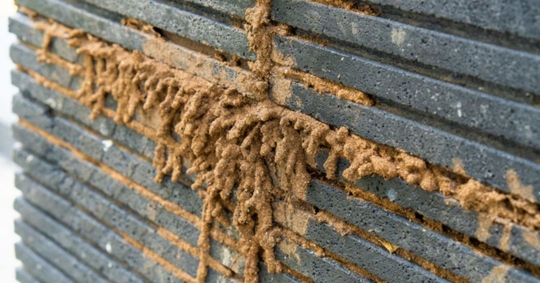
One of the most recognizable signs of subterranean termites is the presence of mud tubes. These pencil-width tunnels appear on foundation walls, crawl spaces, or anywhere termites need to travel from soil to wood. The tubes are made from soil, wood particles, and termite saliva, providing the moisture and protection these insects need. If you find mud tubes, it's a clear indication of active or recent termite presence.
Check your foundation regularly, paying special attention to areas where concrete meets wood. Look in your crawl space, around pipes entering your home, and along basement walls. Even if tubes appear broken or abandoned, termites may still be active elsewhere on your property.
Discarded Wings Near Windows and Doors
In spring, reproductive termites (called swarmers or alates) leave their colonies to start new ones. After finding a suitable location, they shed their wings, which often accumulate near windowsills, door frames, and light fixtures. These wings are translucent, equal in size, and roughly the length of a grain of rice.
Finding discarded wings doesn't necessarily mean termites are inside your walls right now, but it does indicate that a colony is nearby and actively reproducing. This is especially concerning if you find wings indoors, as it suggests swarmers emerged from within your home's structure.
Hollow-Sounding Wood
Termites consume wood from the inside out, leaving a thin veneer that appears normal on the surface. Tap on wooden beams, door frames, and baseboards around your home. If they sound hollow or papery rather than solid, termites may have been feeding there. You might also notice that wood feels softer than expected or shows visible damage when pressed.
Pay particular attention to areas with previous moisture problems, as termites are attracted to wood with higher moisture content. Bathrooms, kitchens, and areas beneath leaky pipes are common targets.
Frass or Termite Droppings
Drywood termites create small holes in wood to push out their fecal pellets, known as frass. These tiny, pellet-shaped droppings look like sawdust or coffee grounds and accumulate in small piles beneath infested wood. Unlike sawdust, frass has a distinct six-sided shape when viewed up close and may vary in color from light tan to dark brown depending on the type of wood being consumed.
Finding frass is a definite sign of active drywood termite infestation. The pellets don't dissolve in water and will maintain their shape, unlike other types of debris you might find in your home.
Visible Damage to Wood Structures
As infestations progress, you may notice visible damage to wooden elements of your home. This can include:
- Bubbling or peeling paint that resembles water damage
- Warped or buckling floorboards
- Doors and windows that stick or become difficult to open
- Sagging floors or ceilings
- Crumbling wood that breaks apart easily
These signs often indicate that termites have been active for an extended period. The structural damage may be significant by this stage, making early detection all the more important.
Live Termites or Swarmers
Seeing actual termites is the most definitive sign of infestation. Worker termites are cream-colored, wingless, and about the size of a grain of rice. They avoid light and are rarely seen unless you disturb infested wood or mud tubes.
Swarmers are darker, have four equal-length wings, and are often mistaken for flying ants. However, termite swarmers have straight antennae and uniform body width, while flying ants have elbowed antennae and pinched waists. If you see a swarm inside your home, particularly in spring, contact a professional immediately.
Where to Look for Termite Activity
Knowing where termites are most likely to appear helps you conduct more effective inspections. Focus your attention on these high-risk areas:
- Foundation and crawl spaces: Check the perimeter of your home where wood meets soil or concrete
- Bathrooms and kitchens: Inspect under sinks, around tubs, and near any plumbing fixtures
- Attics and roof structures: Look for signs in wooden beams and rafters, especially if you've had roof leaks
- Porches and decks: Examine wooden posts, stairs, and support structures that contact the ground
- Windows and door frames: Check for mud tubes, frass, or hollow-sounding wood around all openings
Regular inspections of these areas, ideally twice per year, can help you catch termite activity before it becomes a major problem.
What to Do If You Spot Warning Signs
If you discover any signs of termite activity, resist the urge to simply treat the visible area yourself. Termite colonies can contain hundreds of thousands to millions of members, and the damage you see is likely just a fraction of the total infestation. Store-bought treatments rarely eliminate entire colonies and can sometimes make the problem worse by causing termites to relocate to other areas of your home.
The most effective approach is to contact a professional pest control company that specializes in termite management. A trained technician can assess the extent of the infestation, identify the termite species involved, and recommend appropriate treatment options. Professional treatments may include liquid termiticides, baiting systems, or targeted applications depending on your specific situation.
Prevention: Your First Line of Defense
While catching termites early is important, preventing infestations in the first place is even better. Here are some steps you can take to make your home less attractive to termites:
- Eliminate moisture problems: Fix leaky pipes, ensure proper drainage away from your foundation, and use dehumidifiers in damp areas
- Remove wood-to-soil contact: Keep mulch, firewood, and lumber away from your foundation, and ensure wooden structures don't touch the ground
- Seal entry points: Caulk cracks in your foundation and around utility lines entering your home
- Maintain proper ventilation: Ensure crawl spaces and attics have adequate airflow to reduce moisture buildup
- Trim vegetation: Keep shrubs and trees trimmed away from your home to improve air circulation and reduce moisture
These preventive measures won't guarantee you'll never have termites, but they significantly reduce your risk of infestation.
Understanding Professional Termite Inspections
Even if you don't see obvious warning signs, scheduling regular professional inspections is a smart investment. Trained technicians know exactly where to look and can spot subtle indicators that untrained eyes might miss. They use specialized tools like moisture meters and infrared cameras to detect hidden activity behind walls and under floors.
Most experts recommend annual termite inspections for North Texas homes, though properties with previous termite history or high-risk features may benefit from more frequent checks. During an inspection, the technician will examine both the interior and exterior of your home, checking all the high-risk areas mentioned earlier plus additional locations based on your home's unique characteristics.
The Cost of Ignoring Termite Warning Signs
Termite damage isn't typically covered by homeowner's insurance because it's considered preventable. The average cost to repair termite damage in the United States ranges from several thousand to tens of thousands of dollars, depending on the extent of the infestation. In severe cases, termites can compromise structural integrity to the point where major renovations are necessary.
Beyond the financial cost, living with an active termite infestation means watching your home's value decline while the problem worsens. Termites don't take breaks, and a colony can consume about a foot of a 2x4 board in six months under optimal conditions. The longer you wait to address the problem, the more expensive and extensive the repairs become.
Protect Your North Texas Home from Termite Damage
Termite infestations can be stressful, but they're also manageable when you catch them early and work with experienced professionals. By staying alert to warning signs, conducting regular inspections, and taking preventive measures, you can protect your home from these destructive pests. Remember that termites are active year-round in North Texas, so vigilance should be ongoing rather than seasonal.
If you've noticed any of the warning signs discussed in this guide, or if it's been more than a year since your last inspection, now is the time to take action. Adams Exterminating provides comprehensive termite control services throughout the DFW Metroplex, including Denton, Lewisville, and surrounding communities. Our experienced technicians can identify termite species, assess damage, and implement effective treatment strategies tailored to your specific situation.
Don't let termites compromise your home's integrity—call (940) 239-9786 or contact us online to schedule your inspection today.