
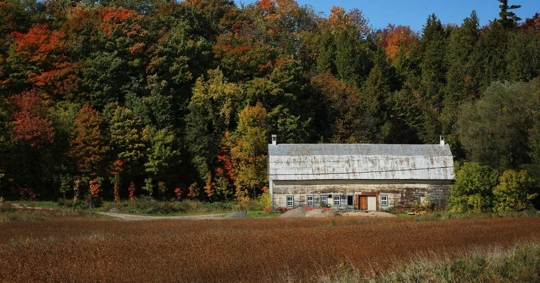
As the vibrant greens of summer begin to yield to the warm hues of autumn, North Texas homeowners often anticipate cooler temperatures and cozy evenings. Many don't realize that this seasonal shift also triggers a significant change in pest behavior. Just as you're preparing your home for the colder months, so too are many common pests, seeking warmth, shelter, and reliable food sources.
Understanding which pests are most active in the fall and why they're trying to get inside your home is the first step in protecting your property and maintaining your peace of mind. At Adams Exterminating, we're here to help you navigate these seasonal changes. We offer practical advice and effective solutions to keep your home comfortable and safe throughout the fall and beyond.
If you're noticing increased pest activity as temperatures drop, take proactive steps now. Visit our page on residential pest control to learn how Adams Exterminating can help secure your home.
Why Fall Brings Pests Indoors: The Great Migration
Fall is critical for many pests as their natural outdoor habitats become less hospitable. The lush vegetation that provided ample food and cover throughout the summer begins to die back, and the dropping temperatures make outdoor living less viable. This forces a predictable "migration" toward warmer, more protected environments – and your home often fits the bill perfectly. They're not just looking for warmth; they're also seeking consistent food sources, moisture, and safe places to overwinter or breed.
Cracks in foundations, gaps around windows and doors, uncapped chimneys, and even tiny openings can become welcoming entry points for various unwanted visitors. Understanding this fundamental drive is key to anticipating their movements and fortifying your home against their attempts to move in.
Common Fall Invaders in North Texas Homes
North Texas has its own unique cast of characters when it comes to fall pests. While some may be a nuisance, others can pose more significant threats to your property or even your health. Knowing who to look out for can help you identify potential problems early.
Here are some of the most common pests homeowners in Denton, Lewisville, and surrounding areas might encounter as the mercury drops:
- Rodents (Mice and Rats): Common fall invaders seeking warmth and food. They can squeeze through small gaps, damage wiring and insulation, and contaminate surfaces.
- Spiders: Some species, including brown recluses, enter homes for shelter or egg-laying. Most are harmless but can be a concern if disturbed.
- Boxelder Bugs: Black and red insects that gather on sunny walls and enter homes. They’re harmless but leave stains and odors when crushed.
- Stink Bugs: Shield-shaped pests that move indoors in fall and emit a strong odor when threatened.
- Lady Bugs (Asian Lady Beetles): Often mistaken for native ladybugs. They bite mildly, stain surfaces, and release an unpleasant smell.
- Cockroaches: Move indoors as temps drop, spreading bacteria and allergens.
- Ants: Some remain active indoors in fall, especially if food is scarce outside.
- Termites: Active year-round. Even in colder months, they may continue damaging wooden structures unnoticed.
Understanding which pests are trying to get into your home is the first step in effective fall pest management. These pests have unique behaviors and vulnerabilities, making targeted prevention and control methods essential.
Proactive Steps for Fall Pest Prevention
The best offense is a good defense, especially when it comes to fall pests. Taking proactive measures before temperatures drop significantly can save you a lot of headaches and potential damage later. Many of these steps are simple home maintenance tasks that also contribute to overall home health and energy efficiency.
Here are key preventive actions homeowners in North Texas should consider:
- Seal Entry Points: This is arguably the most important step. Inspect your home's exterior thoroughly for any cracks, gaps, or openings. Pay close attention to:
- Cracks in the foundation and around utility lines.
- Gaps around windows and doors; apply weather stripping or caulk as needed.
- Damaged screens on windows and doors.
- Unsealed attic vents or crawl space openings.
- Missing or damaged chimney caps.
- Trim Vegetation: Keep tree branches and shrubs trimmed away from your home's exterior. This creates a "buffer zone" that prevents pests from easily accessing your roof or siding. Vines growing on your walls can also provide ideal pathways for pests.
- Clean Gutters and Downspouts: Clogged gutters can lead to moisture buildup, which attracts pests. Ensure they are clear and draining properly to direct water away from your foundation.
- Store Firewood Away from the House: Firewood is a common harborage for a variety of pests, including spiders, rodents, and even termites. Store it at least 20 feet from your home and elevate it off the ground.
- Manage Moisture: Fix any leaky pipes, faucets, or drainage issues both inside and outside your home. Pests are drawn to moisture sources, and damp environments can create ideal breeding grounds. Ensure proper ventilation in basements, crawl spaces, and attics.
- Regular Cleaning and Decluttering: Inside your home, consistent cleaning, vacuuming, and decluttering can remove food sources, harborage areas, and even existing pests. Pay attention to crumbs, spills, and areas where clutter can accumulate.
- Inspect Deliveries and Packages: Pests can hitchhike into your home on groceries, packages, or even used furniture. Inspect items carefully before bringing them indoors.
- Mind Your Landscaping: Remove leaf litter, decaying wood, and other organic debris from around your foundation. These provide excellent hiding spots for pests seeking shelter.
Implementing these preventive measures can significantly reduce the likelihood of a fall pest invasion. While some pests may still find their way in, these steps make your home much less appealing and accessible, giving you a strong advantage.
When to Call in the Professionals
Despite your best efforts, pests can sometimes be persistent. If you've taken all the necessary precautions and are still experiencing significant pest activity, or if you're dealing with a particularly challenging pest like rodents or termites, it's time to call in the experts. Professional pest control offers several advantages:
- Expert Identification: Our technicians are trained to accurately identify pests and understand their behavior, which is crucial for effective treatment.
- Targeted Solutions: We use industry-approved products and techniques that are specifically designed to address your particular pest problem, minimizing impact on your family and pets.
- Thorough Inspection: A professional inspection can identify hidden entry points or harborage areas you might have missed.
- Long-Term Prevention: Beyond immediate treatment, we can help implement long-term strategies to reduce future pest issues.
- Peace of Mind: Knowing that experienced professionals are handling your pest concerns provides reassurance and allows you to focus on enjoying your home.
Don't let fall pests disrupt your comfort or damage your North Texas home. Whether you're in Denton, Lewisville, or a surrounding area, Adams Exterminating is ready to help. Our approachable and helpful team is committed to providing effective, reassuring solutions.
Reach out to us today to schedule an inspection or to learn more about how we can help protect your home this fall. You can fill out our online contact form or give us a call at (940) 239-9786.